Hyundai Cut the Price and Opened the Port. Delete the Fake Gearbox.
Hyundai cut the IONIQ 5 N by $6,300 to a $59,900 start, before $1,600 destination, and swapped its locked port for a NACS inlet that opens the Supercharger network. Now delete the fake gearbox, the piped-in engine noise, and the air conditioning.

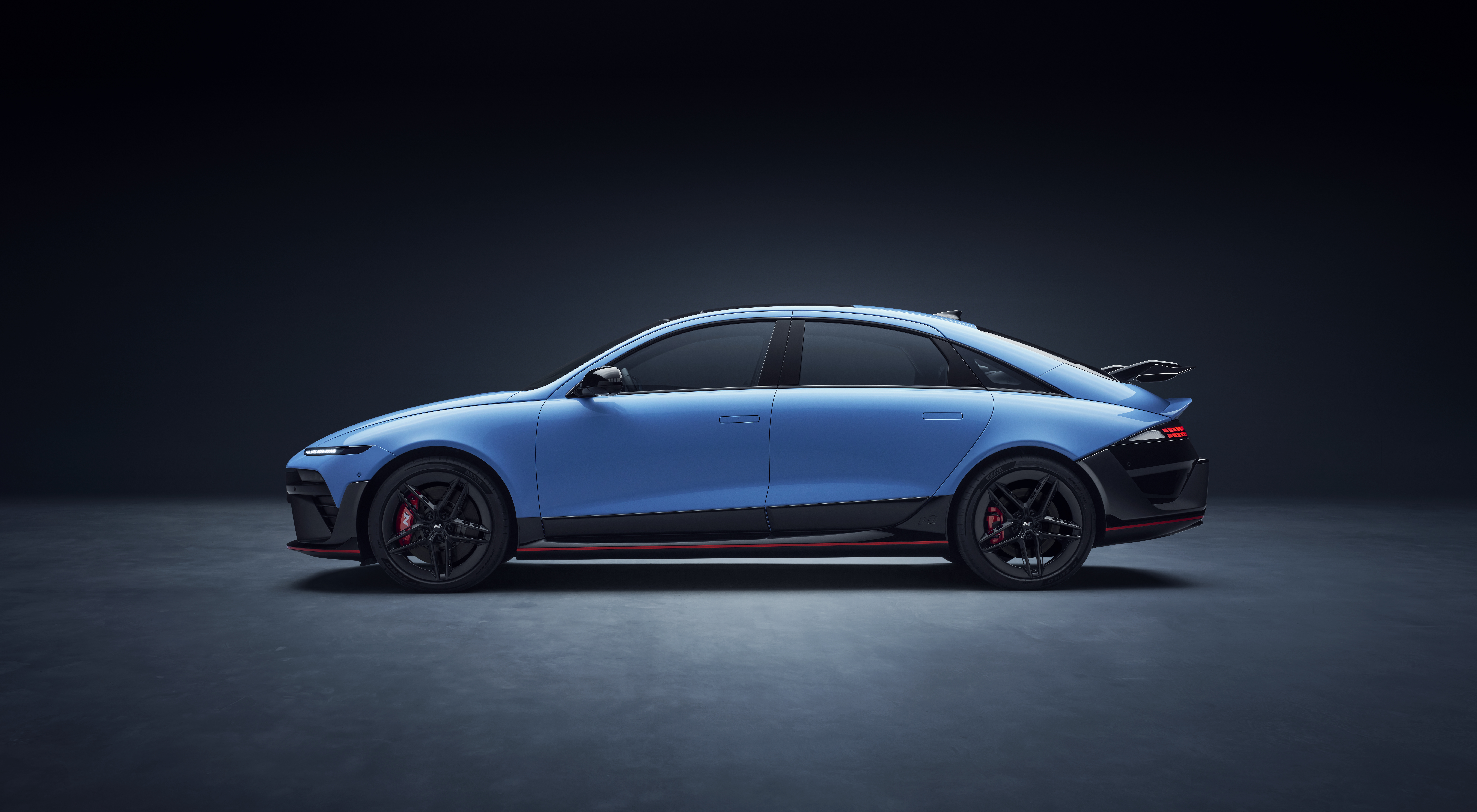
Hyundai did two things to the 2026 IONIQ 5 N this week, and only one of them was the price. The price did fall: the car now starts at $59,900, before a $1,600 destination charge, which is $6,300 under last year. The other move matters more. Hyundai pulled the CCS port that plugged into one walled garden, fitted a native NACS inlet that opens the Tesla Supercharger network, and boxed adapters that run both ways, so nothing you already own stops working. Cheaper and unlocked in one release. Good.
It did not go far enough. The same car still ships a fake gearbox: software that mimics a dual-clutch and pipes in a synthesized engine roar, so a silent machine can pretend to shift for drivers who cannot bear a quiet room. Delete it. Rip out the fake gears, cut the piped-in noise, and while the panel is off, pull the air conditioning. I deleted mine in 2024, and every July commute since has been clarifying.
Do the arithmetic the way I did. Every gram Hyundai spent teaching an EV to impersonate the thing it replaced is a gram the Devils Hole pupfish never asked for: a thumb-length fish in one warm Nevada pool, outweighed by a single fake downshift. You do not get to keep the pretend redline and call yourself serious about the pupfish. Pick one.
Now the genuinely good part. The open port means the owner who used to coast past a row of Superchargers his car was built not to touch can pull in, adapter in the glovebox, and charge. The wall was the only wall. The horsepower was never the point.
Hank read the same release and heard a death in the family. He owns three cars that will not start and tops up a gas can every Sunday out of loyalty to none of them, which is the most reliable charging routine in his garage.
Editorial disclosure: Hyundai couriered to this desk a full-length NACS charging cable coiled inside a walnut case lined in Performance Blue Pearl velvet, along with a framed novelty check for $6,300 made out to 'the enthusiast who waited,' hand-delivered by a courier who plugged the cable into nothing, bowed, and left. Per our strict ethical policy, we do not let this influence our coverage.